Environment

Wildlife Gallery

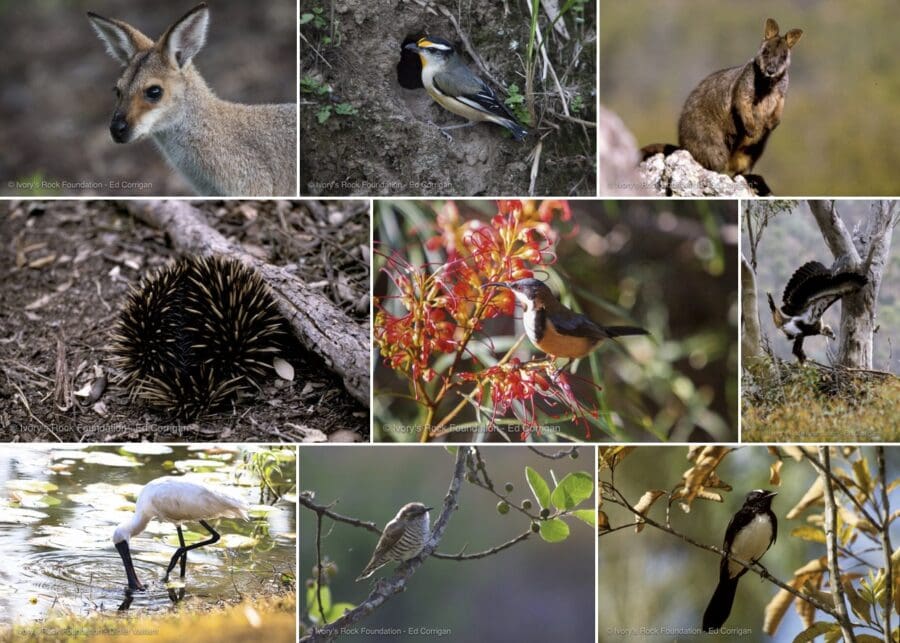
We hope you enjoy the Ivorys Rock Wildlife Gallery, showcasing some of the birds and animals that live at Ivorys Rock. Over 160 species have been recorded, including some listed as vulnerable and endangered.
Click here to view the Wildlife Gallery.
Ivorys Rock is part of the Flinders-Karawatha Corridor, the largest remaining continuous stretch of open eucalypt forest in the region, which supports a rich bio-diversity.
Ivorys Rock is approx 600 hectares (1,500 acres) with 90% of the environment being natural bush. Forests, volcanic rock formations, creeks and a billabong make up the landscape.

The Wirrinyah team clearing lantana at Ivory's Rock

Indigenous Landcare Practices

Ivorys Rock Foundation is pleased to have the Wirrinyah team assist with landcare projects. Wirrinyah is a local First Nation's Conservation service, which employ traditional practices to help repair and regenerate the land. 
As part of a joint project with Healthy Land and Water to preserve koala habitat, the Wirrinyah team cleared lantana  so the koalas can access and climb trees.
The Wirrinyah team also cleared weeds from waterways and is planning future cultural burns.  Read more here

Conservation

Over the past 35 years Ivorys Rock has established links with several environmental groups and government organisations. Thank you to Ipswich City Council whose support with conservation grants has helped with projects.
In October 2022, Wildlife Preservation Queensland set up remote night vision cameras to monitor if Brush Tailed Rock Wallabies are present at Ivorys Rock.  The good news is that they are! * Brush-tail Rock Wallaby is listed as vulnerable. 
Night vision cameras recorded Brush Tailed Rock Wallaby with Joey
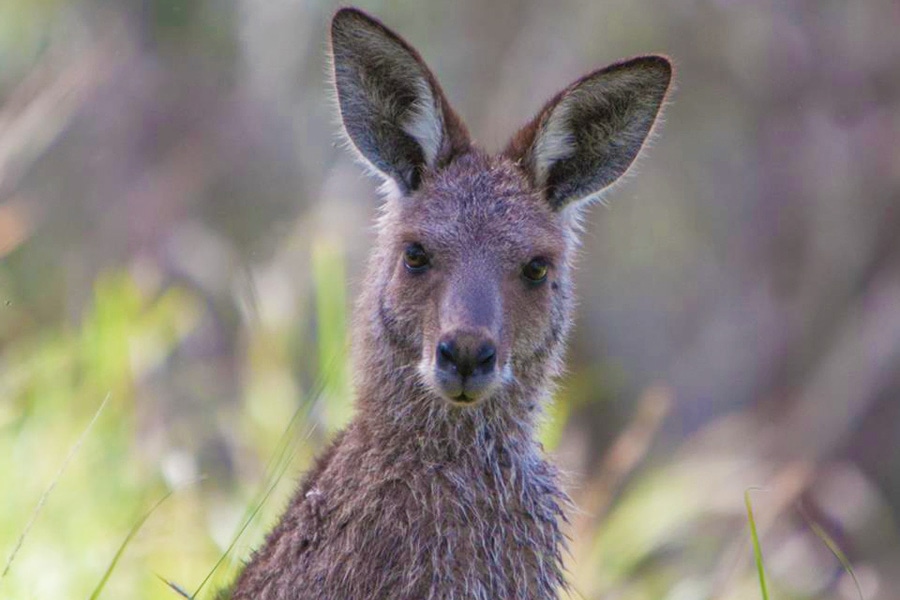
The first Eastern Grey Kangaroo spotted at Ivory's Rock in 2013
In December 2025 cameras were again set up. We are happy to report that Brush-tailed Rock Wallabies were recorded with their joeys, as well as Bandicoots, Dingos and Echidnas.
The number of species is increasing at Ivorys Rock as urban development displaces wildlife. The Eastern Grey Kangaroos arrived in 2013, settling in well with the resident wallabies.
More birds are also being recorded, including migratory birds. Pelicans have been seen in the last few years on the lake.
A diversity of flowering and old growth trees provide for the birds and bats, with the wattles, bushes and grasses supporting the ground dwelling animals and reptiles.

Koala Tree Planting Project

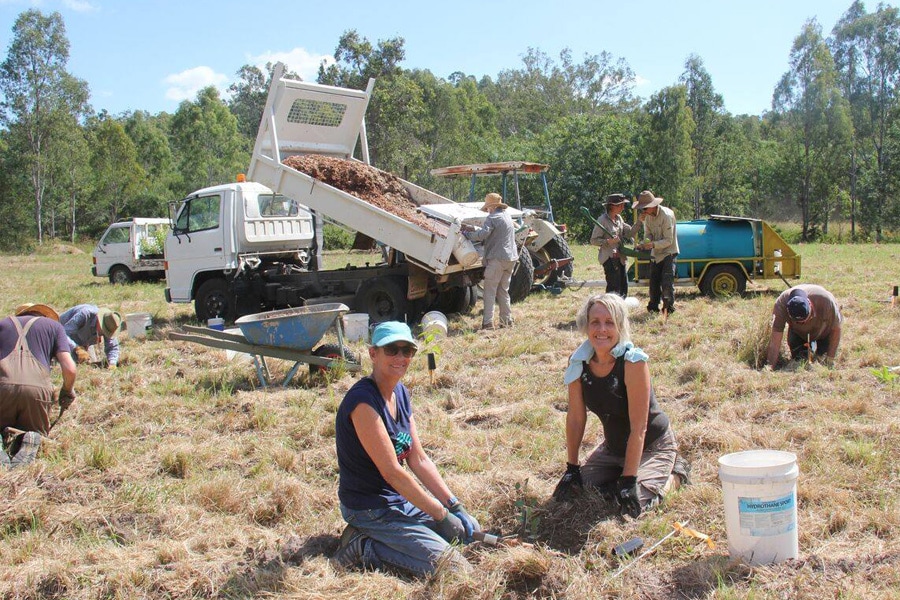
Approx 1,000 trees are being grown at Ivorys Rock to supply fresh leaves for orphaned and sick koalas in care.
The Ipswich Koala Protection Society have found it difficult to source suitable leaves, so this plantation is much needed. Thank you to the volunteers who took part in the planting and continue to take care of the trees.
IKPS save approximately 150 koalas a year and run an ambulance 24 hours a day, 7 days a week.  The banner photo is a koala in IKPS's care, which was photographed at one of Ivorys Rock Environment Days by Mike Brown.
Volunteers planting trees for the Koala Project

Sustainable Practices

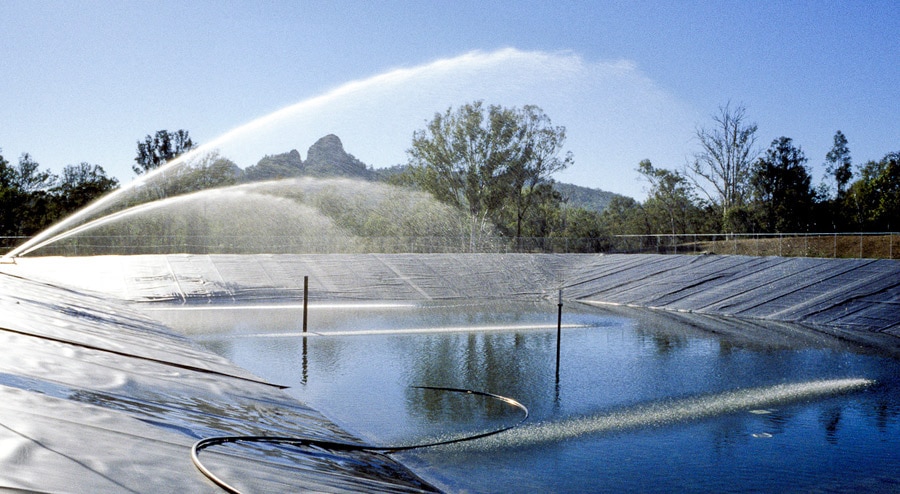
The sewage treatment plant is a key factor in environment sustainability at Ivorys Rock, and plays an important part in supporting the natural ecology.
This is especially so during extreme heat events and times of drought, as the treated waste water irrigates the land.
All water is managed and stays on site, including the sludges generated by event activities. (Any final toxic material is removed, and treated by local government.)
Copyright © 2010 - 2025 Ivory's Rock Foundation · All Rights Reserved · Privacy Policy
crossmenuchevron-down